
The sulfur trade
The Florios of SicilyThis flow follows the Florios’ discovery of sulfur as an export commodity and Vincenzo Florio’s effort to build a supply chain around it.
increasing Bearing strength in each event
 decreasing
Bearing strength in each eventdecreasingA debt becomes a commodity
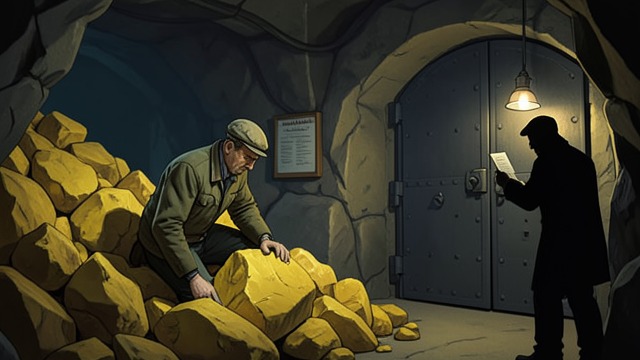
A debt becomes a commodity
A desperate creditor
A sulfur producer from Agrigento cannot pay a promissory note because he lacks transport and buyers. Vincenzo Florio agrees to inspect the sulfur and cancels the debt when he finds the material suitable.
A profitable discovery
The load sells in Marseille for several times the debt’s value. Vincenzo later buys the land, making sulfur a substantial part of the company’s business.
The transaction turns a debtor’s distress into a new industrial opportunity and gives Casa Florio a foothold in a resource that European factories increasingly need.
From quarry to market
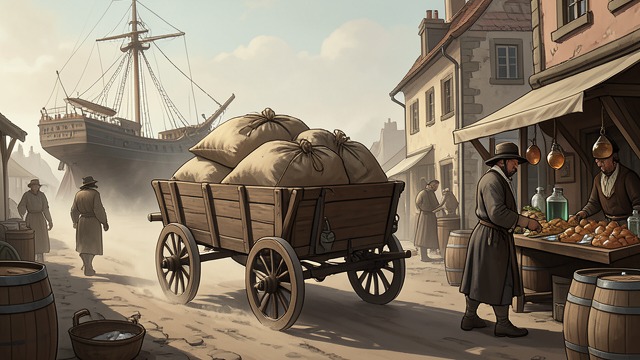
From quarry to market
A changing resource
Sulfur moves from Sicilian mines to European chemical works, where it can be processed into sulfuric acid. Vincenzo Florio links extraction, transport, and sales across different markets.
Competition and scale
The trade grows as manufacturers seek raw materials for dyes and industrial processes. The Florios negotiate supplies with merchants including Tommaso Portalupi and his family.
Sulfur becomes a way for Vincenzo to turn Sicily’s neglected resources into commercial power beyond the island.
The devil’s gold
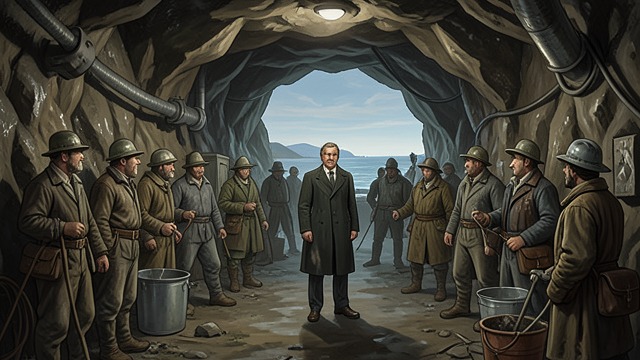
The devil’s gold
Wealth without local prosperity
Sulfur creates wealth and employment, yet the surrounding Sicilian economy remains poor. Workers extract the mineral in dangerous conditions while much of its value flows outward.
A contested legacy
Vincenzo Florio treats sulfur as both opportunity and proof that local enterprise can reach European markets. Its success does not erase the inequality or political dependence surrounding its production.
The resource embodies the gap between private fortune and public improvement, a tension that accompanies the Florios’ rise.
Early 1830s
1830s
By 1860
